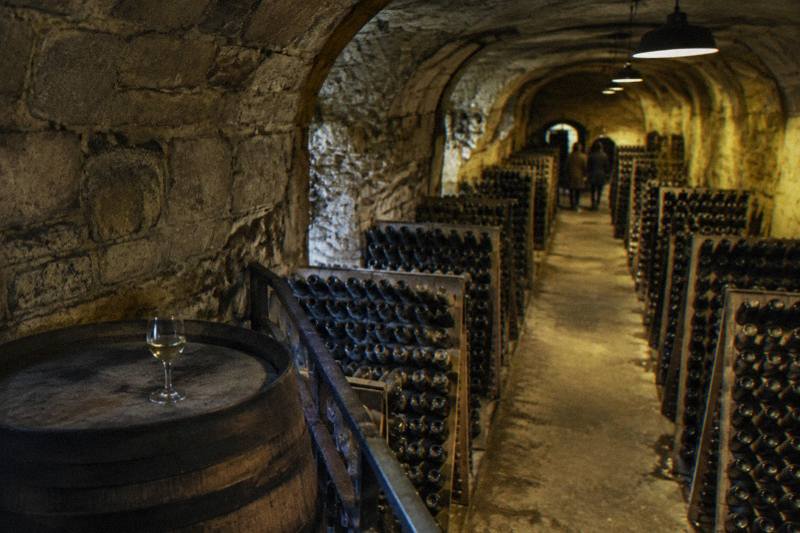
How To Do A Wine Tasting For Beginners In Paris
A beginner's method for tasting wine in Paris: the four-step routine, which guided tastings fit first-timers, what they cost and how to behave.
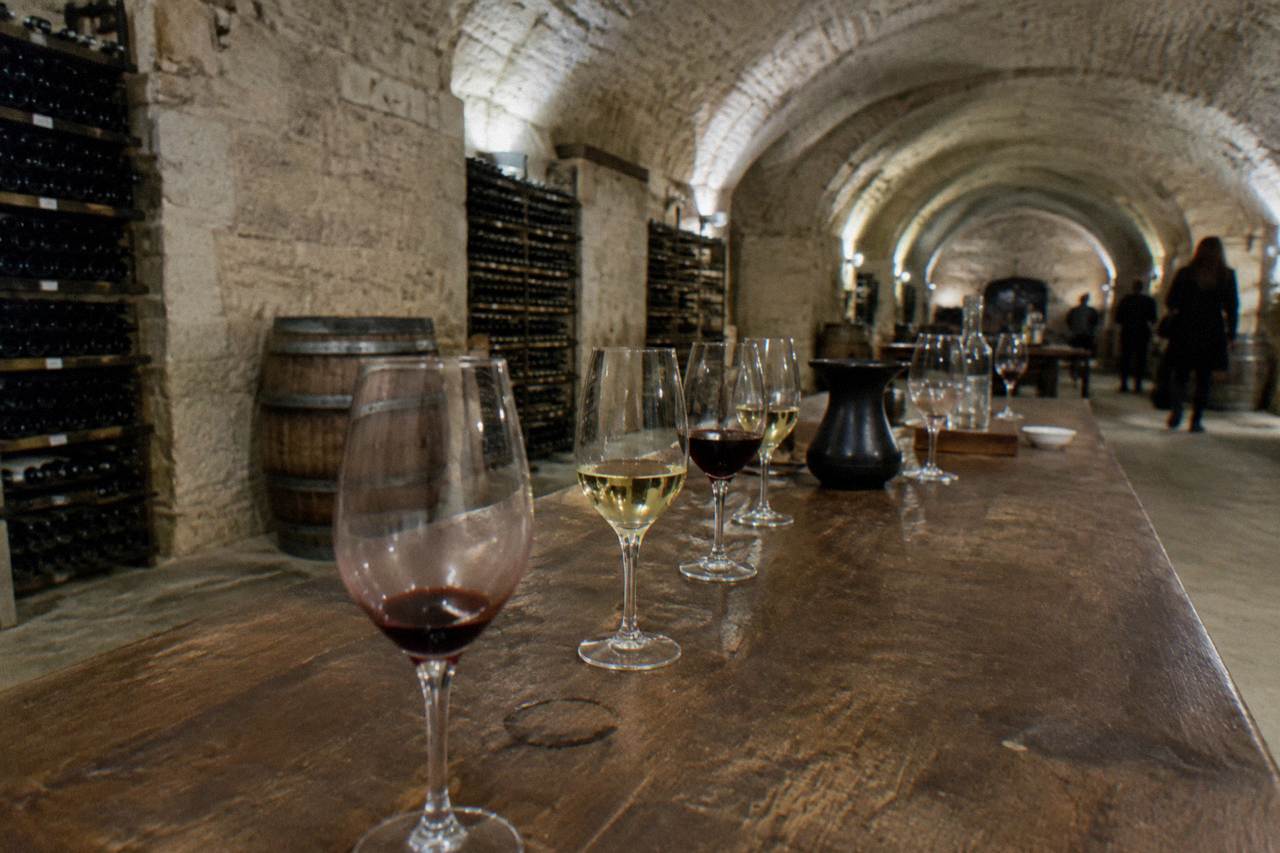
How To Do A Wine Tasting For Beginners In Paris
To do a wine tasting in Paris as a beginner, book a guided session lasting 1.5 to 2 hours, arrive a little early, and work through each glass in four steps: look at the colour, swirl to release the aroma, smell twice, then take a small sip and note how the flavour changes. Guided tastings on this site's roster cost $77 to $125 per person and are built for first-time tasters. Once you feel comfortable with the basics, the guide to Paris cellars, tasting classes and guided tours can help you choose where to taste next.
Nobody expects you to know anything on your first tasting. That is the entire point of the format: a professional walks a small group through a handful of wines, explains where each one comes from, and tells you what to notice in the glass. Paris happens to be one of the best cities in the world to learn this, because the classic French regions, Champagne, Bordeaux, Burgundy, the Loire, the Rhône, all converge on the capital's cellar rooms and wine schools.
The question for a beginner is not whether you are qualified. It is which format suits you: a seated tasting with a sommelier, a cellar tasting focused on cheese pairing, or a walking food tour with wine built in. The three options below are the ones first-timers book most often, and each one takes complete novices.
For a first outing, the seated sommelier format is hard to beat. The Paris Wine Tasting plus Cheese Lunch with an Expert Sommelier, run by Ô Chateau near Les Halles, pours five French wines including one Champagne alongside a selection of cheeses, from $97 per person for two hours. One recent guest review calls it "One of the highlights of our trip!" and notes the sommelier was "so friendly and incredibly informative". Another writes simply, "I learned a ton about pairings. Would recommend."
If you want the deeper guide to the category before choosing, the site's Paris wine tasting guide compares every seated, cellar and walking format on the roster.
What Does A Guided Tasting Actually Include?
A guided tasting includes a set number of wines poured in sequence, an expert who explains each one, usually bread or cheese for the palate, and a room where you sit or stand with a small group. Here tastings pour three to ten wines over 1.5 to 2 hours for groups of 12 to 26. Hotel pickup is never included; every tasting gives you a meeting point and you make your own way there.
Reading a listing carefully before booking tells you most of what matters. The number of wines is always stated, and so is whether cheese or bread comes with them. The Champagne at Secret Wine Door tasting, for example, pours six glasses, one Champagne, two whites and three reds, with six different cheeses and French bread, in a group capped at 12, from $108 per person. The Paris Art of Pairing Cheese and Wine Tasting in a Cheese Cellar goes the other direction: seven cheeses and just three wines, in 90 minutes, from $80 per person, on Île Saint-Louis.
Cancellation terms matter too. Most tastings on the roster print free cancellation up to 24 hours before the start. The one exception pattern to watch is longer classes with dinner, where the cutoff can run to six full days. Check the specific listing rather than assuming.
Whichever you pick, the format is the same on the day: you arrive, you sit, the pours come one at a time, and the host does the talking. Your only job is to taste and ask questions. The Paris Wine Tasting plus Cheese Lunch with an Expert Sommelier is a good example of how little preparation a beginner needs; the listing includes a professional sommelier guide, a private tasting room, and the wines and cheeses themselves, so nothing is left to you.
Look, Swirl, Smell, Sip: The Four-Step Method
The four-step method is look, swirl, smell, sip. Look at the colour and clarity against a white surface, swirl the glass a few seconds to release aroma, smell twice with short sniffs, then sip a small amount, hold it on your tongue, and swallow slowly while noting the finish. The whole cycle takes under a minute per wine and is the same routine professionals use.
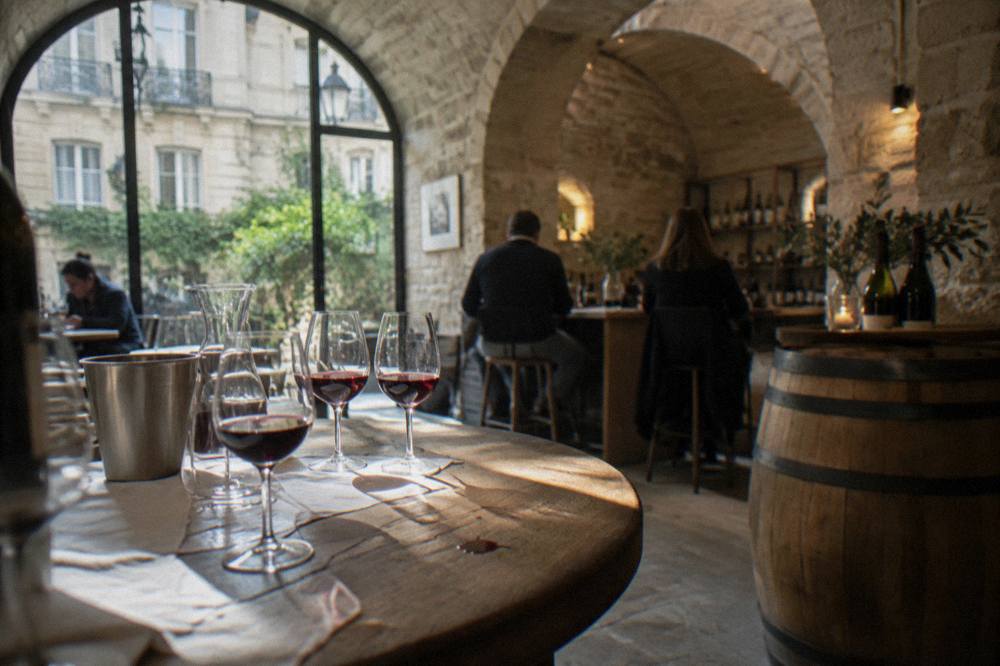
Looking comes first because colour tells you age and grape family before you taste anything. Tilt the glass over a white tablecloth or a sheet of paper. Young reds run purple to ruby; older reds fade toward brick and garnet. Whites deepen from pale straw to gold as they age. You are not hunting for a right answer, just training your eye.
Swirling is not theatre. A few gentle rotations coat the inside of the glass and evaporate a thin film of wine, which lifts the aromas. Keep the glass on the table if that feels safer; nobody will judge. Then smell. Two short sniffs beat one long inhale, because your nose fatigues fast. Try to name the first thing that comes to mind, even if it is just "fruit" or "flowers". Saying it out loud is how the vocabulary sticks.
Finally, sip. Take a modest mouthful, let it sit a second, and either swallow or spit. Spitting is completely normal at tastings, and the host will provide a bucket for exactly that purpose. Notice three things: the attack, the first impression; the body, whether it feels light or heavy; and the finish, how long the taste lingers after you swallow. A sommelier will walk you through all of this, which is why a guided first tasting beats a solo attempt at a bar.
Which Paris Tastings Suit A First-Timer Best?
For a first-timer, the best tasting is a short, seated, small-group session with a named expert and a modest number of pours. On this roster that means the 90-minute cheese cellar pairing from $80, the two-hour sommelier tasting with cheese lunch from $97, or the two-hour cheesemonger tasting in Montmartre from $77. All three accept complete beginners and cap or keep groups small.
The table below compares the roster's tasting-focused listings on the numbers that matter to a beginner: how many wines, how long, how big the group, and the entry price.
| Tasting | Wines | Duration | Group | From (per person) |
|---|---|---|---|---|
| Sommelier Cheese Lunch (Ô Chateau) | 5 incl. 1 Champagne | 2 hours | up to 26 | $97 |
| Champagne at Secret Wine Door | 6 incl. 1 Champagne | 2 hours | max 12 | $108 |
| Pairing in a Cheese Cellar (Paroles de Fromagers) | 3 | 1 hour 30 | max 12 | $80 |
| Montmartre Cheesemonger Tasting (EATCHEESEWITHMAX) | 5 incl. 1 sparkling | 2 hours | small group | $77 |
| Wine and Cheese Lunch (Ô Chateau) | 5 incl. 1 Champagne | 2 hours | not stated | $95 |
| Ten Wines, Ten Cheeses (LES CAVES DU LOUVRE) | 10 | 2 hours | max 12 | $125 |
A beginner reading that table should notice one trade-off. More pours is not automatically better; ten wines in two hours is a lot of alcohol and a lot of information for a first session. Five or six pours with food alongside is the friendlier start, and every listing above except the Louvre cellar tasting keeps to that range.
The Montmartre Cheesemonger Tasting deserves a special mention for anyone who is nervous about formality. It is hosted by Max, a local cheesemonger, or a trained member of his team, and the listing pours eight French cheeses with five wines and as much fresh baguette as you want. It is a shop tasting, not a school, and the mood matches.
If your interest is more about pairing logic than wine itself, choose the cheese cellar option. The Paris Art of Pairing Cheese and Wine Tasting in a Cheese Cellar, run by Paroles de Fromagers on Île Saint-Louis, is built entirely around why a given cheese flatters a given wine. A guest review says, "I learned more about wine and wine/cheese pairings then I thought I would and thoroughly enjoyed this experience." For beginners who already love cheese and are lukewarm on wine, that framing works.
How Much Should You Expect To Pay?
Expect to pay from $77 to $125 per person for a guided tasting in Paris, based on this roster's verified prices, with most listings clustering between $80 and $110 for two hours. Cheaper formats exist, from $38, but those are market walks with a tasting element rather than wine education. The figure that matters is the all-in listing price, since the pours, the expert and usually the cheese are all included.
That price band buys several things at once. You get the wine itself, typically five or six pours, which at a Paris wine bar would cost a comparable amount on its own; natural wine bars in the city typically charge 5 to 12 EUR per glass, so six pours retail at roughly the tasting price before you count the guidance. You also get the expert, the room, and the structure, which is what you are actually there to learn from. Everything else covered here is indexed on Paris Food Tours.
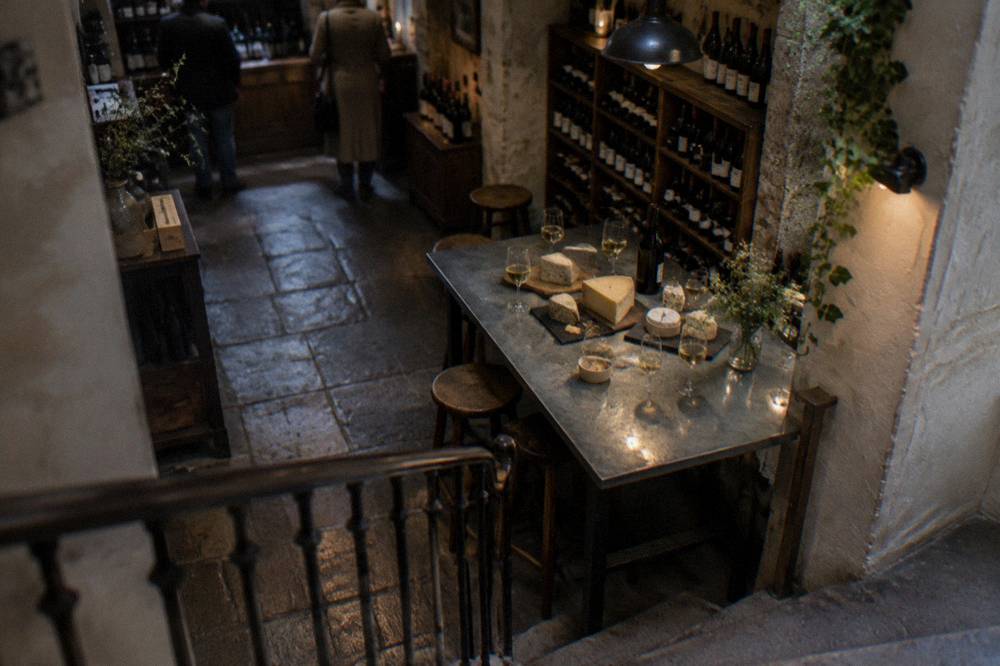
For comparison beyond guided tastings, the operator Ô Chateau also sells its sessions directly: its Tour de France des Vins tasting is listed at 75 EUR for six wines including one Champagne over 120 minutes, per the operator's own atelier page. Similar math applies across the city. A tasting is one of the few Paris food experiences where the guided version is barely more expensive than doing it yourself badly.
Budget readers can start smaller. The site's guide to free and cheap food things in Paris covers market picnics and pay-what-you-want walks, though it is honest that none of those free walks is food-themed, let alone a wine class.
What Should You Wear And How Should You Behave?
Wear smart casual clothes you can sit in for two hours, skip strong perfume or cologne, and arrive five to ten minutes early. At the tasting itself, the etiquette is simple: no talking over the host's pour explanation, no draining glasses in one go, and spitting is always acceptable. There is no dress code at any cellar or tasting room on the roster. If you want help picking layers for those chilly cellars, our guide on what to wear to a wine and cheese tasting in Paris covers seasonal options and what to leave at the hotel.
Perfume is the one rule beginners most often break without knowing. Fragrance sits in the room and in your own glass, and it dulls the nose for everyone near you. Skip it on tasting day. The same goes for chewing gum and strong mints.
Beyond that, behave as you would at any small seated event. Phones on silent, questions welcome at the pauses, and no pressure to buy anything afterwards, though many cellar tastings do sell bottles and the hosts will happily recommend one. If you want the full run-down on clothing and shoes, the site's piece on what to wear to a wine and cheese tasting goes into more detail.
One legal point worth knowing before you plan a family tasting: the legal drinking age in France is 18 for all alcohol, and sale or free offer to under-18s is prohibited, per a summary of French drinking law. Tastings are adult experiences, and listings will enforce the limit.
Do You Need French, Or Any Wine Vocabulary?
You need neither French nor wine vocabulary. Every tasting on this roster is hosted in English, and hosts expect total beginners who cannot yet tell a Cabernet from a Merlot. The only words worth bringing are the ones you will learn in the first ten minutes: body, tannin, acidity, finish, and dry versus sweet. French phrases are a bonus, not a requirement.
The vocabulary itself is small. Body is how heavy the wine feels in your mouth. Tannin is the drying, tea-like grip in reds. Acidity is the freshness that makes your mouth water. Finish is how long flavour lingers after swallowing. Dry, in wine, means not sweet, which trips up beginners constantly, since a fruity wine can still be completely dry. Learn those five terms and you can follow any sommelier's commentary.
If the tasting bug bites, Paris rewards going deeper. The same operators that run beginner sessions also run themed ones, and the city's wine shops double as tasting venues in the evening. Natural wine in particular has become a Paris speciality, with glasses typically 5 to 12 EUR at specialist bars, and shops like Le Verre Volé pouring low-intervention bottles from small growers.
How Much Wine Is Actually In A Tasting?
A tasting pour is roughly one third of a standard glass, so a six-wine tasting adds up to about two full glasses of wine spread over two hours, and the bread and cheese slow the absorption further. Beginners who are worried about drinking too much can spit every pour, which is standard practice, and still get the full educational value from every wine on the table.
This is the question nervous first-timers ask most, and the arithmetic is reassuring. Six small pours over two hours, with food, is a moderate pace by any standard. The bigger risk is drinking on an empty stomach, so eat something before you arrive rather than after. Water is always available, and the good hosts keep it coming.
Choose your session length to match your stamina too. Ninety minutes, like the cheese cellar pairing, is plenty for a first outing. Two hours, like the sommelier lunch format, gives more room for questions and a slower pace. The three-hour and full-day formats on the wider roster are cooking classes and walking tours rather than pure tastings, a different kind of day out.
The comparison table makes the pacing trade-off visible at a glance.
| Format | Time on feet or seated | Best for |
|---|---|---|
| 90-minute cellar pairing | Seated, short | A cautious first tasting |
| 2-hour sommelier tasting with cheese | Seated | Learning with an expert |
| 2-hour cheesemonger tasting | Seated, informal | Cheese-first visitors |
| 2-hour ten-wine cellar | Seated, intense | Keener beginners |
| 3-hour walking food tour with wine | Mostly walking | Tasting as part of a food walk |
How Do You Book And What Should You Check First?
Book through the operator's live listing, checking three things before you pay: the meeting point, since no tour on this roster includes hotel pickup; the cancellation window, 24 hours on most listings; and the dietary note, since vegan and some allergy needs cannot be accommodated on several tastings. Confirm the date and the start time, then arrive a few minutes early with ID.
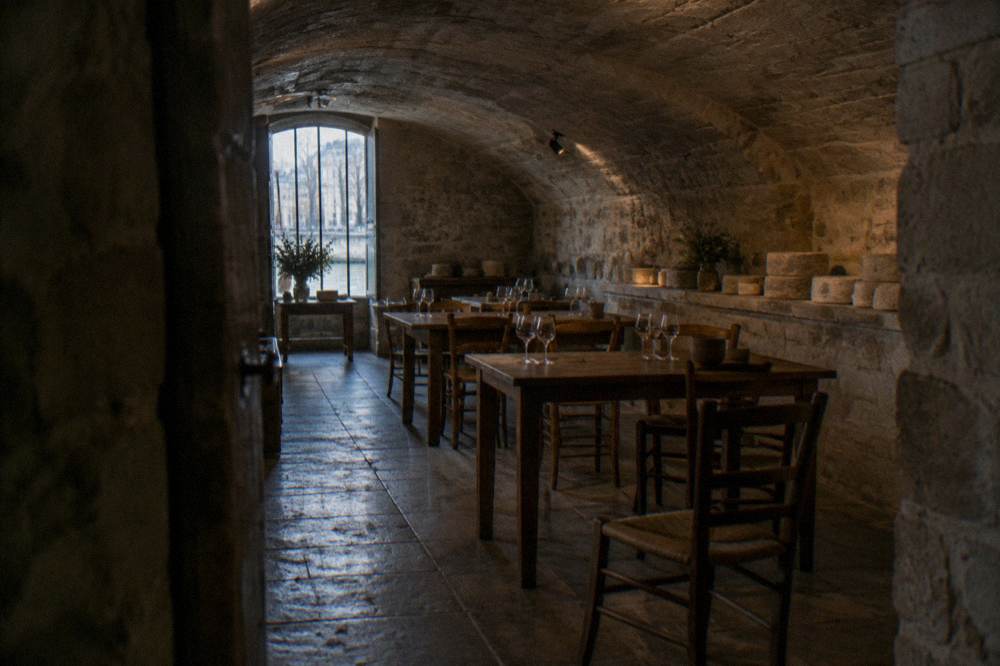
The meeting point detail matters more in Paris than visitors expect. Tastings are held in cellars and back rooms that are easy to walk past: the Secret Wine Door tasting meets at Ségur in the 15th arrondissement, the cheese cellar pairing meets on Île Saint-Louis, and the sommelier formats meet near Les Halles. Look up the metro stop the night before.
Dietary needs deserve a direct check with the operator before booking, because the listings are specific about limits. Several state that vegetarians are welcome but that vegans, or guests with dairy and gluten allergies, cannot be accommodated. That is the listing's own wording, and it is better discovered before payment than on the day.
After that, the process is ordinary. Pick your date, book, and keep the confirmation. On the day, bring curiosity and questions; the reviews for these sessions consistently single out the hosts, with one guest at the sommelier lunch writing, "It was even better than expected!" The format survives entirely on the quality of the person holding the bottle, which is why the roster's small-group tastings hold ratings between 4.8 and 5.0 across review pools from 416 to 625 guests.
Where A Beginner Goes From Here
A beginner who has done one guided tasting goes next to either a themed tasting, Champagne or a single region, or a shop-based tasting where bottles can be taken home, and both exist on this roster. The natural third step is pairing-focused food, the cheese cellar session or a market picnic with a chosen bottle. The progression is the same one locals follow, and it needs no prior knowledge at any stage.
The Champagne at Secret Wine Door session is a good second outing because it widens the range: one Champagne, two whites and three reds, with matching cheeses, and guests report leaving able to pick a bottle with confidence. One review reads, "Erwan is so engaging and he gives you just the right amount of knowledge to pick a great bottle of wine."
Whatever your pace, keep it enjoyable. A tasting that leaves you with one wine you loved and the words to describe it is a complete success, and everything past that is a bonus. Paris Food Tours exists to make that first glass easier to choose, and the city supplies the rest.
Common Questions About Wine Tasting For Beginners In Paris
How To Do A Wine Tasting For Beginners In Paris?
Book a guided tasting of 90 minutes to 2 hours, from $77 to $125 per person on this roster, arrive early, and work through each pour with the look, swirl, smell, sip method while the host explains every wine. No French or wine knowledge is needed.
Do I need to know anything about wine before a tasting?
No. Every tasting on the roster is designed for general audiences and hosted in English. Hosts expect total beginners, and the five useful words, body, tannin, acidity, finish and dry, are all explained in the first minutes.
Is spitting rude at a wine tasting?
No. Spitting is standard practice at professional tastings, hosts provide spit buckets for the purpose, and using one lets you taste every wine without drinking ten pours of alcohol. It marks you as experienced rather than rude.
Can I do a wine tasting if I don't drink much?
Yes. Tasting pours are small, roughly a third of a normal glass, and most sessions pour five or six wines with bread and cheese over two hours. You can also spit every pour and still follow the full session.
What should I eat before a wine tasting?
Eat a normal meal beforehand. Tastings include bread and often cheese, but they are not meals, and drinking even small pours on an empty stomach is the most common beginner mistake. Water is always provided.
Can under-18s join a wine tasting in Paris?
No. The legal drinking age in France is 18 for all alcohol, and offering alcohol to under-18s is prohibited. Tastings are adult experiences and listings enforce the age limit.